
Key takeaways
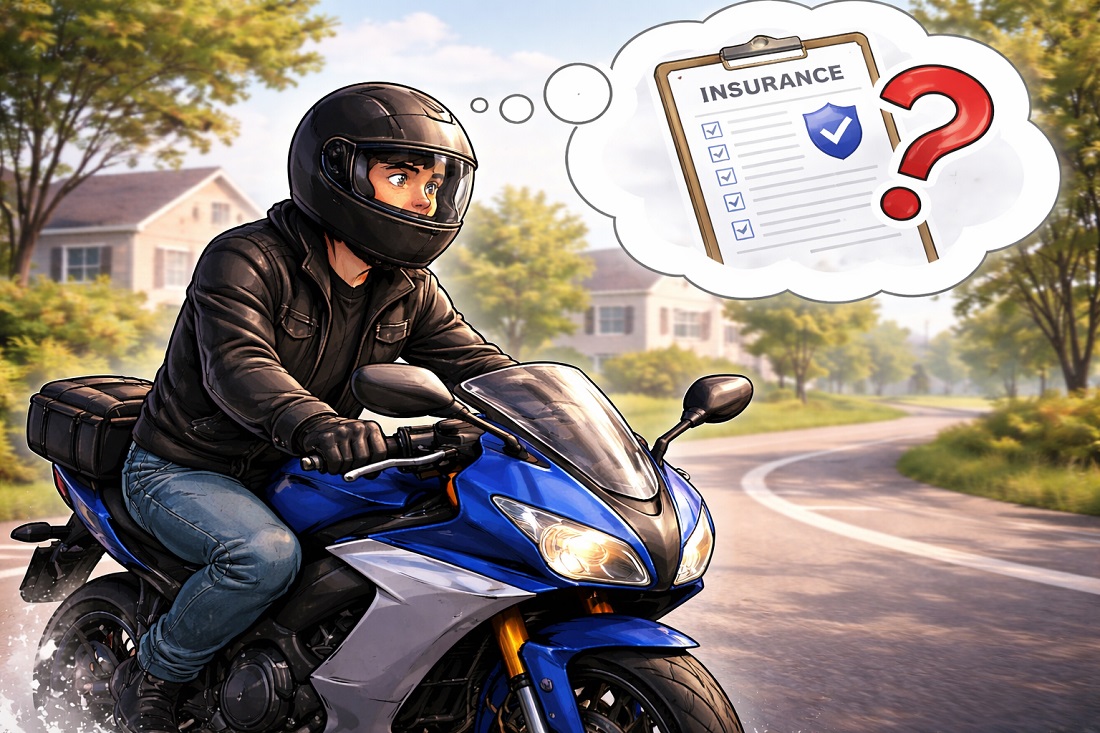
- Non-owner motorcycle insurance a liability-only policy for people who ride motorcycles they don’t own. It provides coverage when you’re borrowing or renting and have no bike registered to you.
- It’s for occasional riders without a bike of their own such as someone whose friend’s bike they use infrequently, or a traveler renting bikes often.
- Coverage pays for damages or injuries you cause to others, but does not cover the motorcycle itself.
- It keeps you legal. Usually cheaper than a full policy. It protects you from high costs if you cause an accident on a borrowed bike.
What is non-owner insurance?
Non-owner motorcycle insurance is a special liability policy for people without a registered motorcycle. It covers you, the rider, when driving a motorcycle that isn’t yours. Here are some key points to keep in mind:
- Liability only: It covers bodily injury and property damage you cause to others. For example, if you crash a friend’s bike and injure someone, this insurance pays the claim up to its limits.
- No coverage for the bike: It won’t pay to repair the bike you’re riding if you damage it. Your friend’s own insurance covers the bike or they would have to pay out of pocket.
- State legal requirement: Just like owning a car without insurance is illegal, riding a motorcycle without insurance is illegal. Non-owner policies help you meet the law’s requirement even if you don’t own the bike you ride.
Who should get non-owner insurance?
You should consider this type of policy if:
- You regularly borrow or rent bikes without being named on someone else’s policy.
- You occasionally ride various motorcycles but don’t own one yourself. This can be a friend’s bike or a rental.
- You want to avoid the hassle of short-term policies every time. A standing non-owner policy keeps you covered for any qualifying bike you ride.
Here’s a quick example: If you commute by car but lend your bike to a friend in winter and borrow theirs, a non-owner policy ensures you’re covered on those borrowed days.
Buying non-owner insurance
Let’s briefly go over the process of actually getting non-owner insurance. It is fairly straightforward, but worth mentioning none the less.
- Application: You’ll be asked about your driving history, habits, etc., just like any policy.
- Limits: Because it’s liability-only, your coverage limits matter. Choosing higher limits means better protection for serious accidents, but higher premium.
- Duration: It’s usually an annual policy and not daily or one day insurance policy, unlike one day bike insurance options available for short-term riders.. However, premiums are often low compared to owning a bike because you only get liability, and presumably you don’t ride daily.
- Cost: Usually significantly cheaper than full coverage. Rates depend on your age, record, credit, and how often/how far you plan to ride.
- Cancellation: You can cancel anytime if you eventually decide to buy a motorcycle, or increase if you start riding more often.
Limitations
- No own damage coverage: If you get hurt or your bike is damaged while you’re riding someone else’s bike, your non-owner policy won’t pay you or the bike owner. You’d rely on health insurance or the owner’s insurance.
- Not allowed if you own a bike: If you eventually own a motorcycle, most insurers will require you to switch to a regular motorcycle policy instead of non-owner coverage.
- Self-use not covered: If you ever ride a vehicle you own, a non-owner policy won’t cover that. It’s strictly for non-owned bikes.
Example Scenario
Here’s another example scenario to put this type of insurance policy into perspective.
Alice has a car but no motorcycle. Occasionally her friend Bob lets her borrow his bike. Alice buys a non-owner motorcycle policy with $50k/$100k liability limits. One day, Alice borrows Bob’s bike and accidentally hits a fence, damaging someone’s property. Alice’s non-owner policy pays for the fence repair, up to certain limits off course. Bob’s homeowner’s insurance doesn’t apply to this accident, so having the non-owner policy saved Alice from a personal bill.